

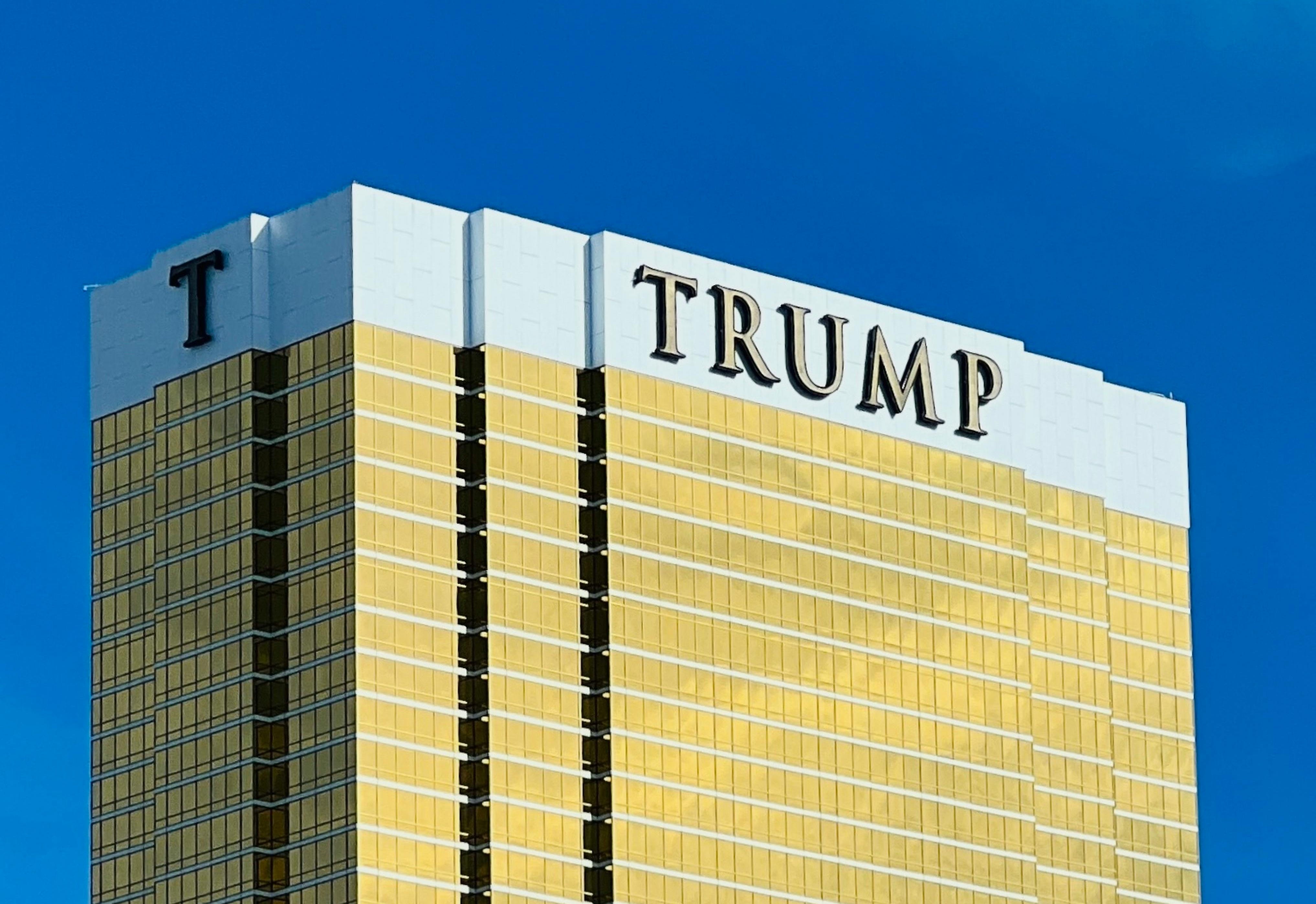
The Trump Mobile T1 is finally shipping. Nine months late. Possibly a rebranded 2024 device. Sold at a premium to people who wanted to believe they were buying something revolutionary.
Nobody ran an algorithm to make that sale. A human did.
Branding Is Not a Feature. It’s a Judgment Call.
The Trump T1 story is not really about a phone. It is about what humans can do that no AI, no machine learning model, and no language processor can replicate: manufacture meaning out of thin air and convince other humans to pay for it.
Apple does not sell smartphones. It sells the feeling of being a certain kind of person. Harley-Davidson does not sell motorcycles. It sells an identity. And the Trump T1 does not sell hardware. It sells belonging to a tribe, a movement, a moment.
That is a profoundly human skill. It requires reading culture, understanding emotion, knowing what people are afraid of and what they are proud of. AI can identify brand sentiment in a dataset. It cannot feel the room. It cannot sense that a particular group of Americans wants something that feels like theirs, something that rejects the mainstream, something that signals defiance.
The Trump T1, delayed, possibly derivative, and sold at a markup, is a masterclass in human brand judgment. The phone’s specs barely matter. The story around it is everything.
Delay Is Not Always Failure. Humans Know the Difference.
Nine months late. In the tech world, that sounds like disaster. Product roadmaps are sacred. Launch windows are everything. Miss one, and you lose the market.
But the Trump T1 did not lose its market. Its buyers were not early adopters hunting the latest chipset. They were loyalists who were going to buy it regardless. The delay barely registered as a problem because the humans running the campaign understood their audience.
That is contextual judgment. That is knowing which rules apply to you and which ones do not. AI would have flagged the nine-month delay as a critical risk factor. It would have modeled churn, forecast lost revenue, recommended a crisis communication strategy. It would have been technically correct and completely wrong about what actually mattered.
Human decision-makers at the top of that organization understood something no model could tell them: their customers were not going anywhere. The delay was irrelevant. The relationship was the product.
Imitation Is a Strategy, Not a Scandal
Reports suggest the T1 may be a modified version of an existing 2024 phone. The tech press jumped on this as a gotcha. But business history is full of brands that won by curating rather than inventing.
Kirkland Signature does not manufacture most of what it sells. It selects, packages, and brands products made by others. It is one of the most trusted consumer brands in America. Store brands across every retail category operate on the same principle. The skill is not in the factory. It is in the selection, the positioning, and the promise.
The humans behind the Trump T1 made a judgment call: find a device that works, put it in a package that resonates, and sell it to people who want exactly that thing. Whether or not that was ethically transparent is a separate debate. As a business decision, it reflects a kind of strategic pragmatism that requires human experience, not processing power.
An AI can source suppliers. It cannot decide which shortcuts are worth taking, which compromises will hold, and which ones will eventually blow up. That intuition comes from years of watching decisions play out in the real world.
Here is the uncomfortable part. Human judgment is not always right. The Trump T1 may be a triumph of positioning or it may be a cautionary tale about overpromising. History will decide.
But that risk is inseparable from the skill. The same capacity that lets a human leader read a room, build a brand, and navigate a nine-month crisis without losing their base is the same capacity that leads humans into catastrophic miscalculations. You cannot have one without the other.
AI does not take those risks. It optimizes within parameters set by someone else. It never bets the company on a gut call. It never builds something because it believes in something.
The Trump T1 is a deeply human product. Flawed, late, possibly derivative, and sold entirely on narrative.
That is not a bug.
That is the whole point.