

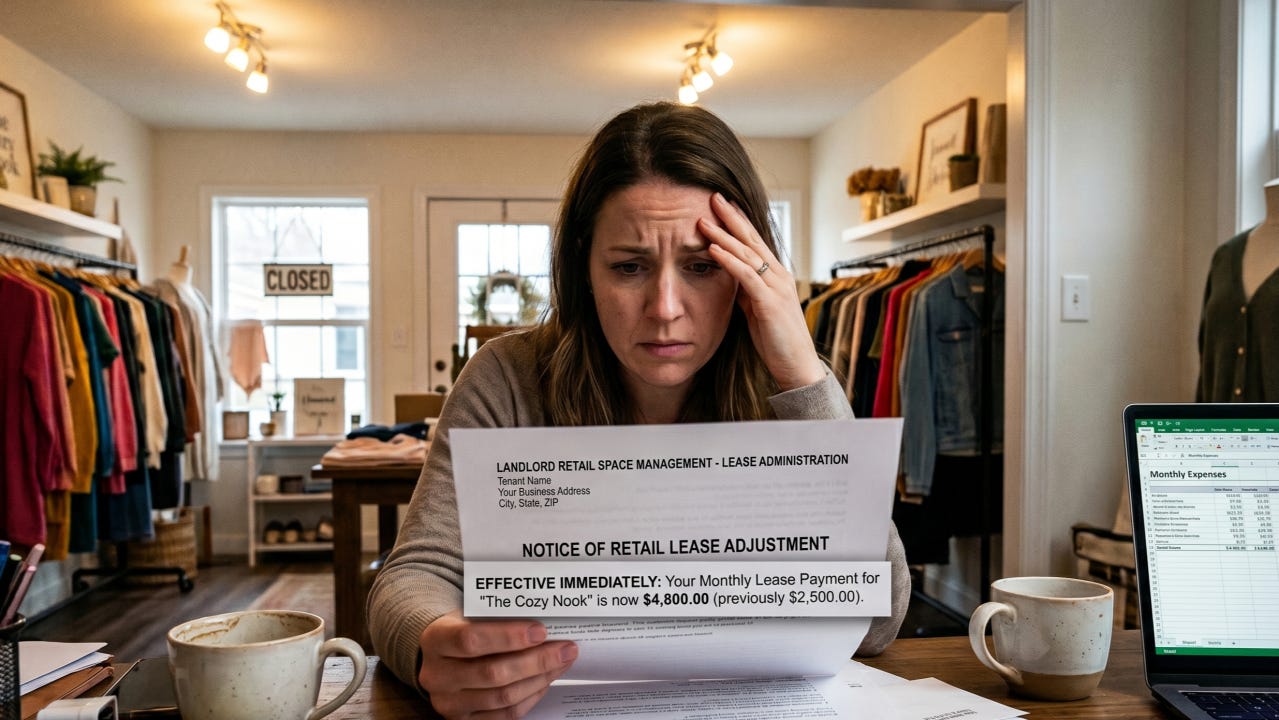
Shopify Is the Landlord and You’re Building on Rented Space
There’s a move every new ecommerce founder makes. They’re proud of it. They post about it. They call it building a business.
They opened a Shopify store. And they have absolutely no idea what that’s costing them.
Not money. Not yet. Something quieter, and in some ways more dangerous.
Their foundation.
The Ownership Nobody’s Talking About
Everyone understands what it means to own property. You bought it. You control it. Nobody can raise your rent, change your terms, or lock you out.
That’s not what you have with Shopify.
What you have is a lease. A very attractive, very functional, very well-designed lease. And like most leases, the terms favor the landlord.
Your storefront. Your checkout. Your customer data. Your entire digital business — built on infrastructure you don’t own, governed by terms you didn’t negotiate, subject to changes you won’t see coming.
Shopify raised prices 30% in 2022. Restructured payment terms in 2023. Merchants didn’t negotiate. They adapted or they left. And leaving, after you’ve built everything on their land, isn’t really leaving. It’s demolishing and starting over.
That’s what a lease is. The landlord sets the terms. The tenant builds a life inside them.
The Illusion Wasn’t an Accident
Shopify gives you real creative control. Your branding. Your aesthetic. Your customer experience. It looks like ownership. It feels like ownership.
It isn’t.
The things that make a business valuable — the systems, the infrastructure, the data — belong to Shopify. Your customer list is technically exportable. But it lives in their environment, under their terms, subject to their decisions.
The moment Shopify changes a policy, your business changes with it. You don’t get a vote. You get an email.
Aesthetic control is not ownership. It’s decoration on someone else’s walls.
First-Time Founders Are the Perfect Target
Experienced operators read platform risk. They’ve been burned. They make the Shopify tradeoff deliberately, with full awareness of what they’re giving up.
First-time founders don’t have that scar tissue. They hear “just start with Shopify” from every blog, every podcast, every mentor — and absorb it as settled wisdom instead of a business decision with real consequences.
So they build. They invest. They pour months into a storefront on rented land and call it their business. By the time the terms shift — and the terms always shift — they’re too deep to move. So they absorb the change, compress their margins, and keep paying rent.
That’s not entrepreneurship. That’s tenancy with a Shopify theme.
The Real Cost Nobody Is Calculating
Every month you build on Shopify, you go deeper into infrastructure you don’t control. Do that for a year, two years, three — and you haven’t built a business. You’ve built equity in someone else’s platform.
The founders who thrive long-term won’t be the ones who used Shopify the most. They’ll be the ones who knew exactly what they were signing when they did.
Right now, most first-time founders don’t read the lease.
That’s the problem.